

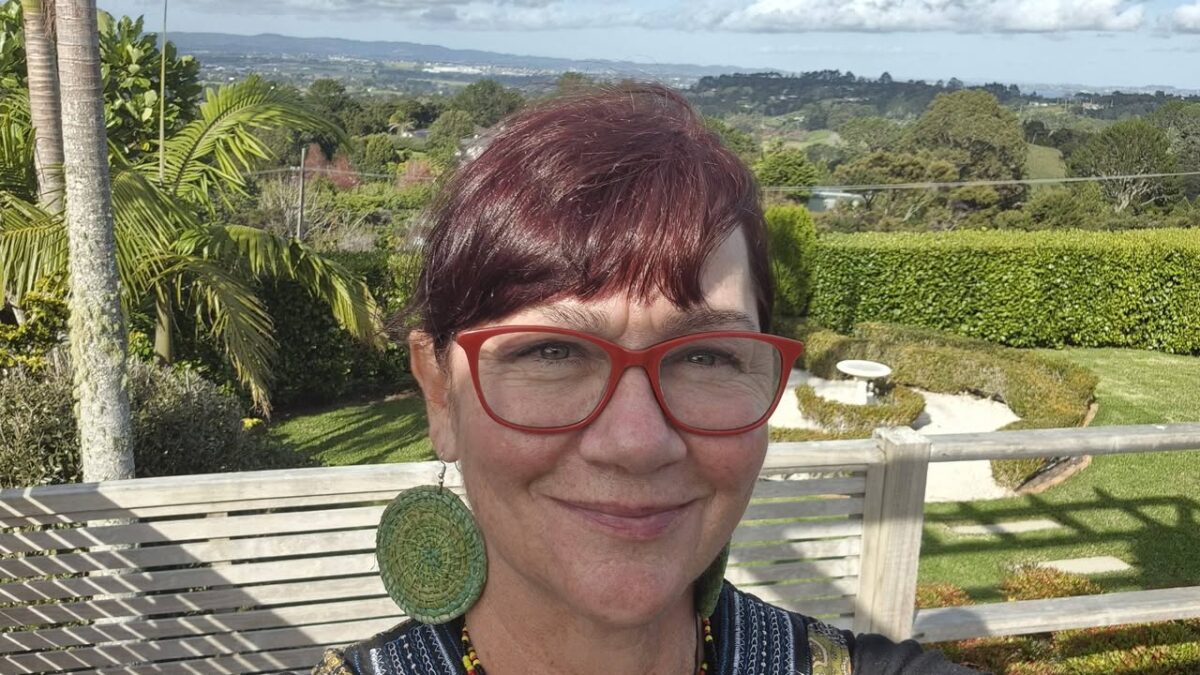
Carlie Atkinson is CEO of the amazing Indigenous healing initiative We Al-li, which was set up by her mother Judy Atkinson in Australia in the early 1990s. We Al-li provides culturally informed, trauma-integrated healing approaches to both Indigenous and non-Indigenous communities. I hold Judy and Carlie, and the work they have done over the years, in the highest regard.
Some of you will have seen that my book Transforming Pain Into Power: The Story of North Wales Recovery Communities has become available on Amazon from my Recovery Voices blog post on Saturday. I had earlier sent Carlie a copy of the final draft of the book, and a few weeks ago I received the following reply from her. It left me feeling quite emotional.
…..
‘Morning David, As I am crook at the moment I have had the time to read your book. I very rarely have down time, always on the go so even though I am sick it is kind of a blessing to be still.
I found your book incredibly moving. What you’ve created is much more than a book about addiction and recovery. It’s a testament to the power of community, the importance of being seen and valued and the extraordinary capacity people have to transform pain into purpose. I was struck by the way you held together rigorous research, lived experience and deeply personal storytelling without ever losing sight of the humanity at the centre of it all. The stories invite the reader in with honesty and vulnerability, while the broader narrative offers hope and practical wisdom for anyone wanting to create spaces where healing can flourish.
What resonated most strongly for me was the thread of connection running through every page. The recognition that recovery doesn’t happen in isolation but in relationship, through belonging, mutual care, purpose and the simple act of walking alongside one another. So much of what you describe echoes what many of our mobs have always known… that healing is relational and that communities themselves can become medicine.
I was also deeply touched by your reflections on trauma and healing and by the way you acknowledged the work of Mum and myself through We Al-li. It felt respectful, authentic and woven naturally into the broader story rather than included as an afterthought. Your willingness to look beyond dominant systems and recognise the wisdom held within our mobs approaches to healing speaks to the openness and integrity with which you have approached this work.
Above all, this book reminds us that people are far more than the worst things that have happened to them or the struggles they have faced. It is compassionate, hopeful and deeply needed. Congratulations, David. You should be incredibly proud of what you’ve achieved.’
I am still deeply touched by these words. Thank you, Carlie.’