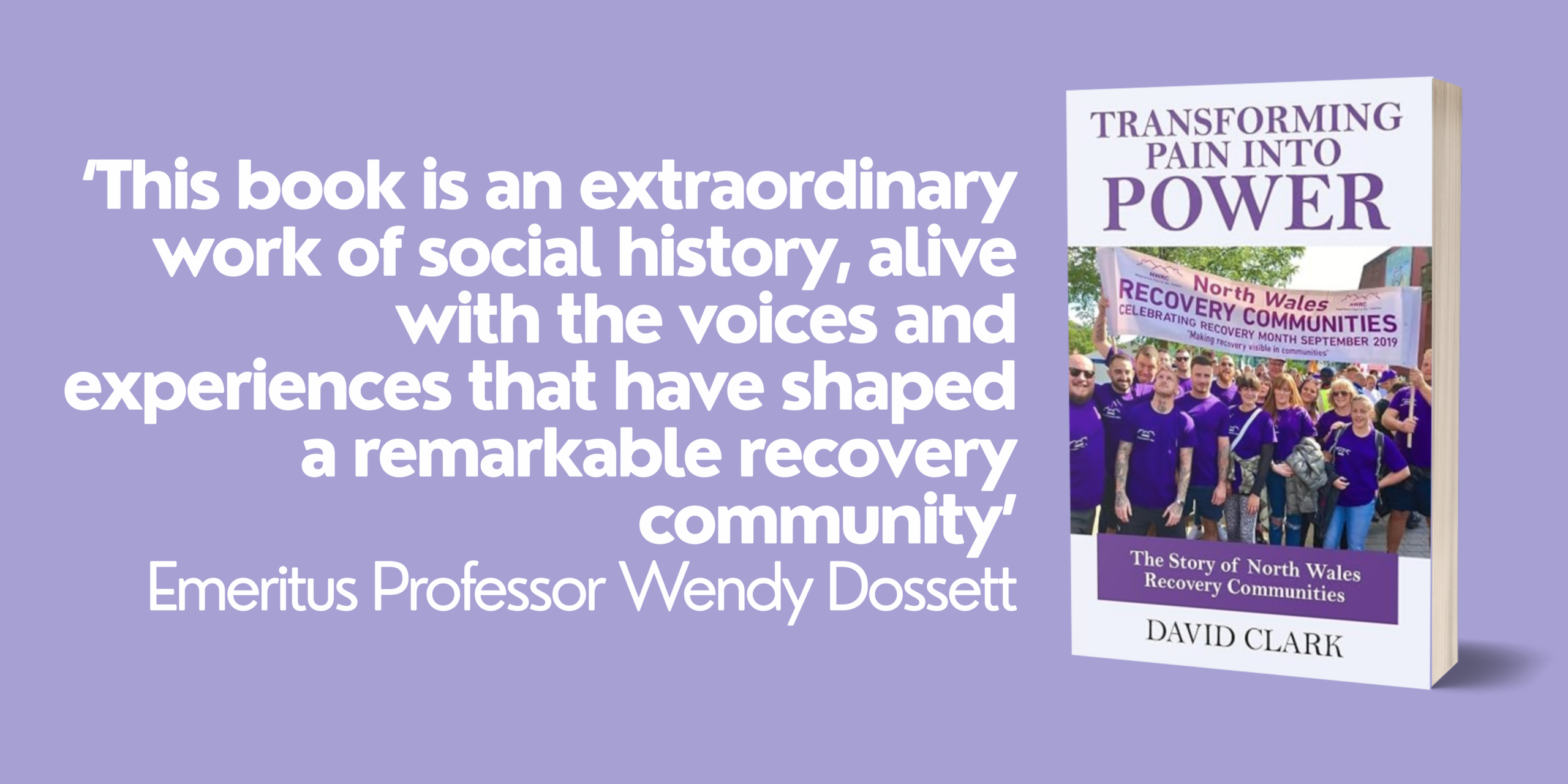
I continue with another short excerpt from my recently published book Transforming Pain Into Power: The Story of North Wales Recovery Communities (NRWC), with some minor modifications.
…..
Before looking at the key therapeutic elements operating within NWRC, it is worth remembering what it is like for people accessing Penrhyn House to begin life as a resident. Many people would feel vulnerable and fearful entering what is an alien environment, a place where they may not be understood and accepted. Most of those arriving at Penrhyn would have accessed a treatment service, and many would likely have had unhelpful or bad experiences. They certainly hadn’t found long-term recovery through visiting the service(s).
Some would feel ambivalent, wanting to transform their lives at the same time as having a desire to continue using and/or drinking. The majority would likely be experiencing low self-esteem, feel a great deal of shame and guilt, and probably not be confident that they could overcome their addiction. Some may never have previously met anyone in recovery.
It must also be remembered that many people accessing Penrhyn House would have experienced trauma or other adverse experiences in their life before starting to use drugs (illegal or prescription) or drinking alcohol excessively. They would have started to self-medicate to kill their psychological pain. However, their initial coping mechanism would have gotten out of control, resulting in even more life problems as their addiction worsened. Marc Yates (cf. Chapter 22) sums up the situation very well:
‘Many people arrive at Penrhyn damaged and broken, and needing to let go of their past, but they don’t actually know that they’ve got to learn to do that if they are going to change. They need to discover who they are without the pain, the hurt, and the damage. They need to find meaning in something else. They must find a new identity.’
Feelings of safety are absolutely paramount at the beginning of a recovery journey and being in a new environment. In the qualitative research of Emma Shepley and colleagues focused on Moving On In My Recovery (cf. Chapter 23), ‘safety’ was the second theme identified. Participants in MOIMR groups described being scared initially when entering a special space after long periods of isolation due to their substance use. This feeling was alleviated by the non-judgemental atmosphere within the groups, as well as the warmth, genuineness, and openness shown by the group facilitators.
Participants began to feel that that they were all ‘in the same boat’ and strong connections developed between them. They eventually felt safe to share experiences, some of which they may have felt highly ashamed about and kept hidden for years.
The environment and people at Penrhyn are geared up to help new residents feel safe and have the belief that they are in the right place. New residents enter a place with others like themselves, who understand them and the world from which they have come. A place where they are accepted and find hope, and where magic happens. And magic certainly happened to Lee Daly when he met Saffron Roberts and heard her story during his first visit to Penrhyn House.
‘Hang on a minute, she used to be just like me. Look at the smile on her face, and the way she’s carrying herself and talking. Maybe these people do really exist. People who come through the hardest of lives and incredible pain, and then go on to work at a place like this.’ Lee Daly
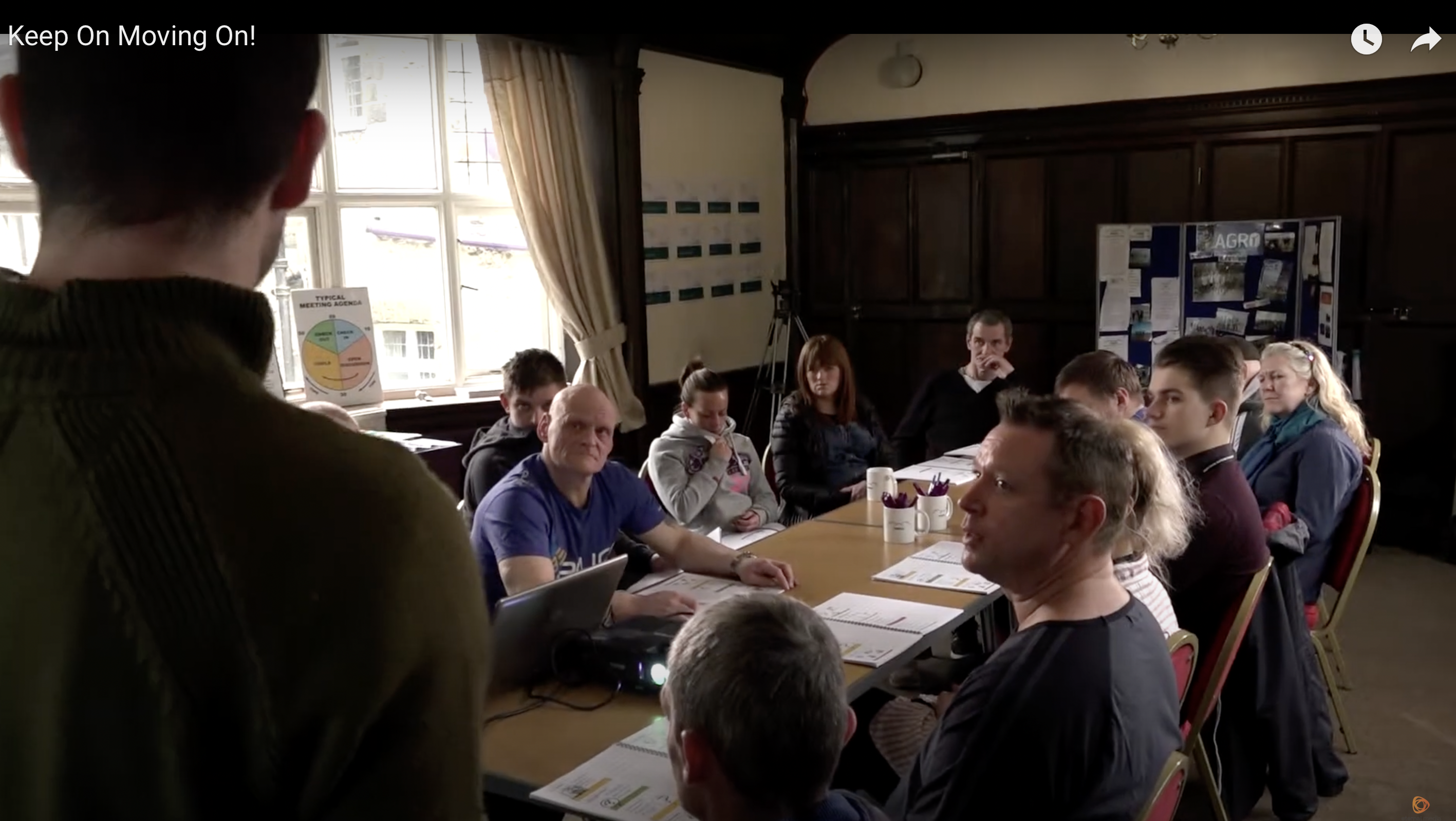
NB. The photograph at the top is from the film Keep on Moving On! made by Eternal Media.