

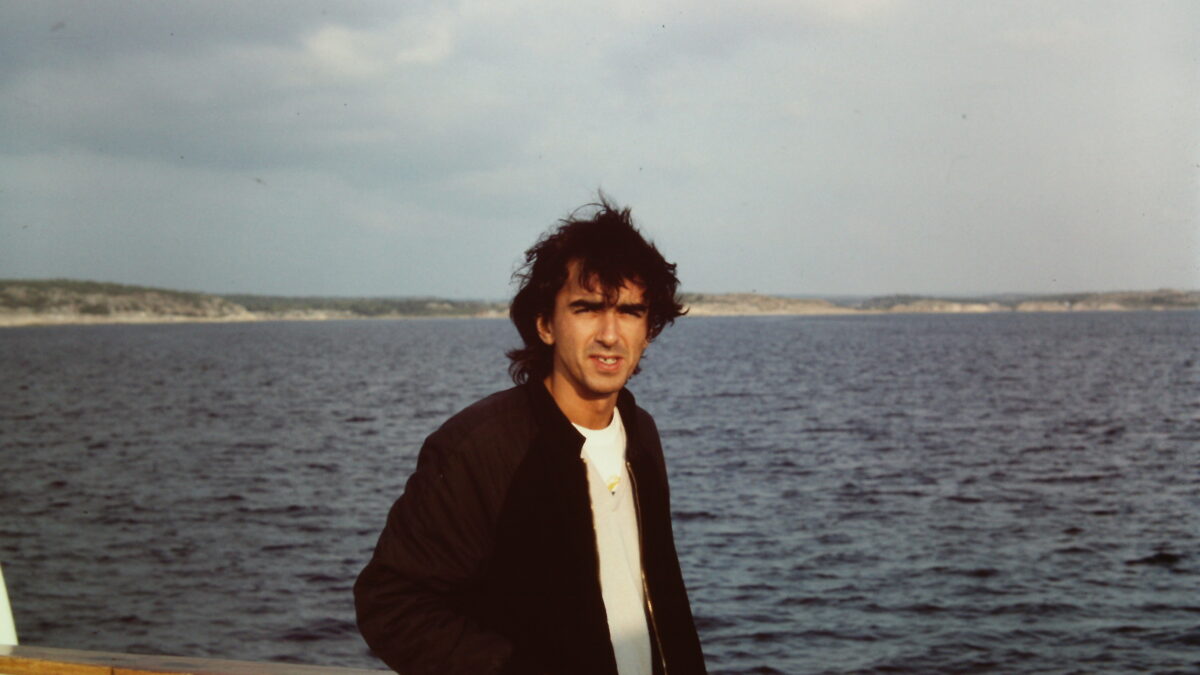
In the run-up to the publication of my forthcoming book, Transforming Pain Into Power: The Story of North Wales Recovery Communities, I will periodically be posting sections of the book. Here is my first post, which describes how my 50 year journey into the mental health, addiction and trauma fields began.
PROLOGUE
1. My Previous Career
In the third year of my psychology degree at university in the mid-1970s, I did not know whether I wanted to go on to study clinical psychology, or conduct research in laboratory rats focused on gaining insights into how our brain functions, in order to help people overcome mental health problems.
Eventually, I decided to do the latter and ended up spending 25 years as a neuroscientist working in universities, studying brain mechanisms underlying normal behaviour and ‘disorders’ such as schizophrenia, Parkinson’s disease, and addiction. My research was focused on the brain neurotransmitter dopamine.
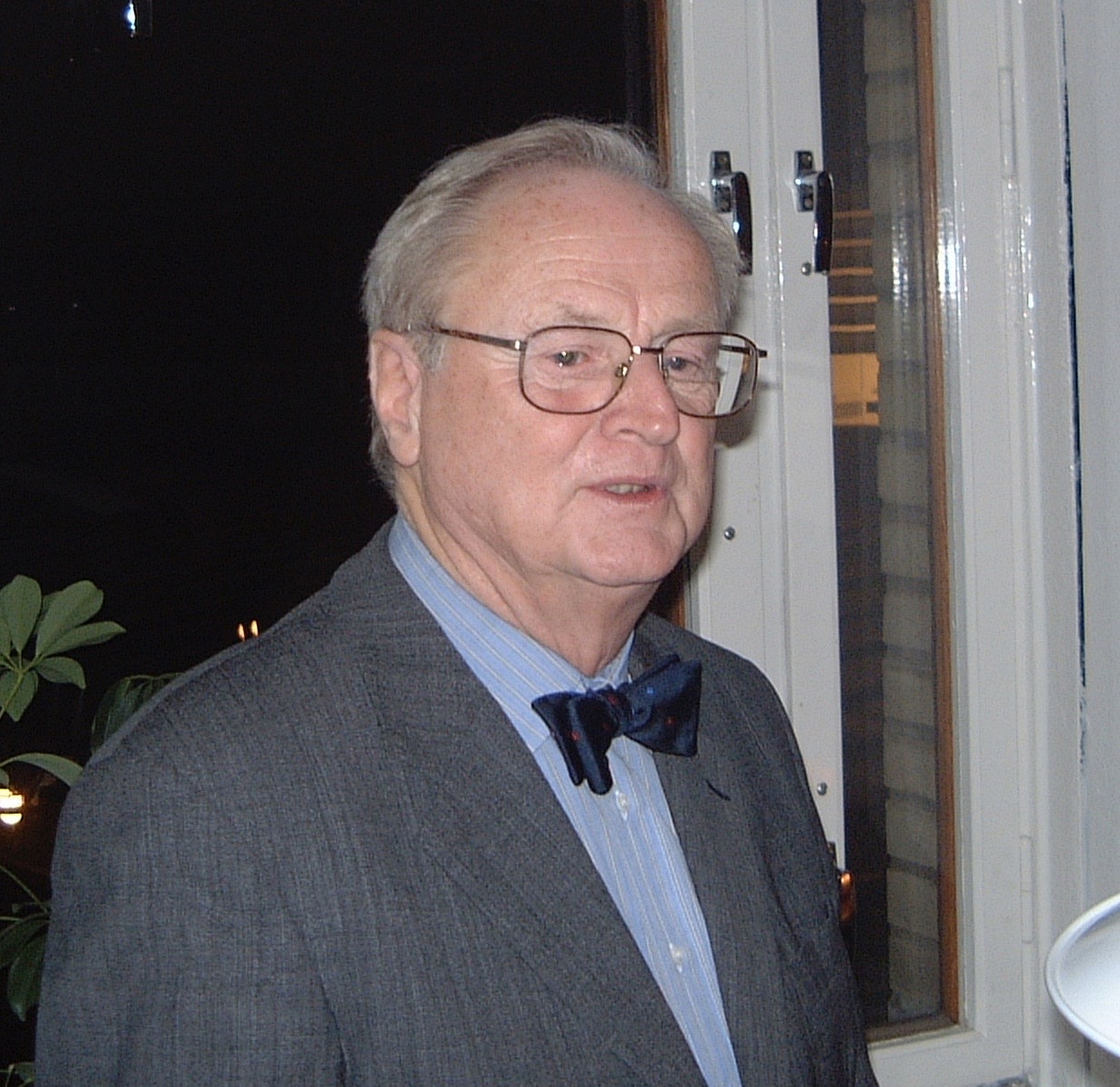 I had a great time as a neuroscientist and loved my work. I was lucky enough to spend three years (1981 – 1984) as a postdoctoral research fellow working in Sweden with Professor Arvid Carlsson, the ‘father’ of dopamine and recipient of the Nobel Laureate in Physiology or Medicine in 2000. I had such an amazing time in Göteborg, and our research was truly very exciting. I also spent three months at Yale University School of Medicine in New Haven, USA, working on a collaborative project.
I then worked for two years in a new research centre at Sinai Hospital in Detroit, USA. I returned to the UK at the end of 1986 to take up a prestigious five-year Advanced Research Fellowship awarded by the Science and Engineering Research Council and set up my own research laboratory in the Department of Psychology at the University of Reading. Our research was focused primarily on the regulation and function of different dopamine-containing systems in the brain.
In 1992, I was awarded a Wellcome Trust University Award and moved my laboratory to the Department of Psychology at the University of Wales Swansea (later known as Swansea University). I was lucky enough to live on the beautiful Gower Peninsula and have an office at the University on the ninth floor overlooking Swansea Bay. An unrivalled view in British academia!
Over time, my research had become increasingly focused on addiction. The laboratory was doing well—attracting good research funding and generating numbers of science publications—and I was excited by what we were doing. We also developed a new theory on brain mechanisms underlying addiction, which received favourable publicity from the science community. However, despite our success, I was beginning to feel that something wasn’t quite right.
At the time, the National Institute of Drug Abuse (NIDA) in the USA was receiving large sums of government money to fund neuroscience research focused on drug and alcohol addiction. NIDA considered addiction to be a brain disease, and addictive drugs were thought to ‘hijack’ the brain’s reward system, which was considered to use dopamine as a neurotransmitter. Addiction was argued to be a medical disorder, like heart disease, and people suffering from addiction were considered to be in need of treatment. NIDA continually promoted the idea that scientists would discover brain mechanisms underlying addiction, and their work would lead to improved treatment for addiction. Scientists and treatment practitioners were supposedly the solution to a problem suffered by millions of people!?
By the end of the millennium, I realised that I had become a frustrated neuroscientist! I did not believe that I, nor any other neuroscientist, was helping anyone overcome addiction. The idea that addiction could be ‘cured’ by a drug, which was suggested by many neuroscientists, made me laugh. And what did neuroscientists know about recovery from addiction? I was also beginning to question the medical model of mental health care, the belief that psychological distress has a biological cause. Today, I believe that psychiatric drugs cause more harm than good.
The photograph of Arvid Carlsson was taken in 2000 when I attended a celebration in Göteborg, Sweden, for Arvid winning the Nobel Prize.