I continue Marcus Fair’s Recovery Story, the first two parts can be found here and here. Marcus is Founder of Eternal Media, the recovery initiative based in The Bunker, a Cold War nuclear bunker built in 1962 and located just outside Wrexham, North Wales.
…..
My first serious attempt at getting clean (finding recovery) was at T12 (Touchstones 12), a residential rehab in Colwyn Bay, from December 2005. I stayed a few months but was then kicked out, not for using, but for something related to ‘weird politics’. I was almost immediately back to regular heroin use, homelessness and crime. I tried to access a couple of other rehabs but was told he needed to be clean to be given a place. I replied, ‘If I could get clean, I wouldn’t need you.’ Another six years passed.
In 2009, I was back at T12. Whilst there, I was encouraged to engage in various social activities or voluntary work, but I found nothing to my liking. I had never had a hobby, other than taking heroin, so I didn’t know what I liked doing. A week after Steve Swindon and Chris Richards of TAPE, a Community Music & Film organisation in Colwyn Bay, visited the rehab, they asked me whether I would like to join their creative writing course. The group met once a week. I joined and was soon inspired to write a play, which members really liked. I ended up directing the 40-minute play, which was about how drug and alcohol misuse can destroy people’s lives. I was kicked out of T12 in early 2010 and was later offered a job with TAPE, which I accepted. The play went on tour in North Wales that year.
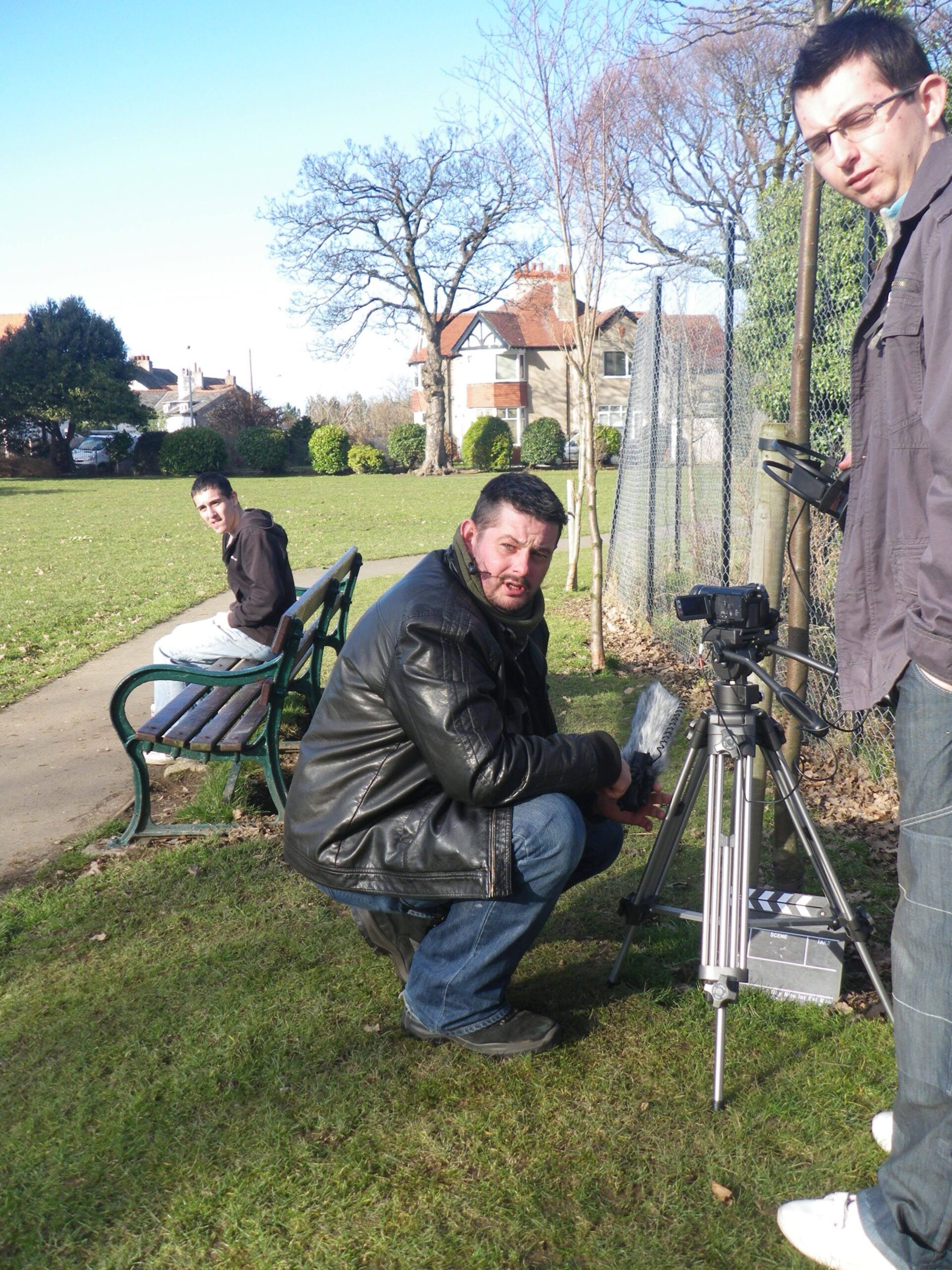 My friends at TAPE and I decided to make a film of the play and call it Legacy. Although it was made with rudimentary cameras and other equipment, a lot of heart went into producing the film. The film was launched as a DVD and was also shown in a cinema in Llandudno Junction. I started to make other films at TAPE and was soon addicted to filmmaking. However, despite all the positive things that were happening in my life, I relapsed late in 2011, as I hadn’t done the proper headwork for recovery. I was back to the merry-go-round of addiction.
Within a year, I was back in prison, sentenced to three years. I was put straight away into a hospital bed. I was so relieved to be there. One of the prison officers had heard about my work at TAPE and got me a job doing the prison radio, the ‘Morning Show’. I loved it! I also did some filming and editing for the prison officer.
In the afternoon, I was taught falconry and I would walk around the prison with a falcon on my arm. I had more freedom in the prison than I ever did in the outside world, and was now having the time of my life. I knew what I was doing was saving my life. I said to myself: ‘If this could happen to me, it could do so for a lot for other people.’ I started to spend a good deal of time planning what I could do to help others. I was eventually released early, although I had to wear an electronic tag for a period.
Out of prison, I was back on drugs and living on the streets. I knew that nobody was going to give me a rehab place, ‘because I wasn’t a safe bet’. There were few available places and rehab was expensive.
Luckily, Tony Ormond—whom I had met as a fellow client in the T12 rehab back in 2005—met me in Colwyn Bay. Like me, Tony had relapsed soon after leaving T12, but had been in recovery since 2011. He was now living in Wrexham and working in the voluntary sector. He was also on the local Area Planning Board (APB), which was involved in commissioning drug services in the area. When Tony met me, I was using up to £300 of heroin and crack per day. I told him that I didn’t want to be put on methadone; I wanted to go to rehab. Tony told me that he wasn’t a magician, but he would do what he could to help me. However, health services liked to stabilise users at first, usually by prescribing them methadone.
Tony suggested a plan that also involved Adrian (Ade ‘The Blade’), another person in recovery who knew me. The two of them would put a case study forward to the APB for me to be given a rehab place, but they couldn’t use my name as I was classed as a ‘no-hoper’. Instead, they created the pseudonym ‘Little Brother’ for me.
I was told to visit the library from time to time and send an email to Tony outlining what had been happening in my life and how I had been feeling. ‘Living in a car park in Bangor, busking, trying not to go to prison, overdosed on Tuesday.’ Tony found me periodically in the library or in shop doorways and wrote down what he had seen and heard at the meeting. A case study was gradually put together, in which it was argued that ‘if this man is not funded, he is going to die.’
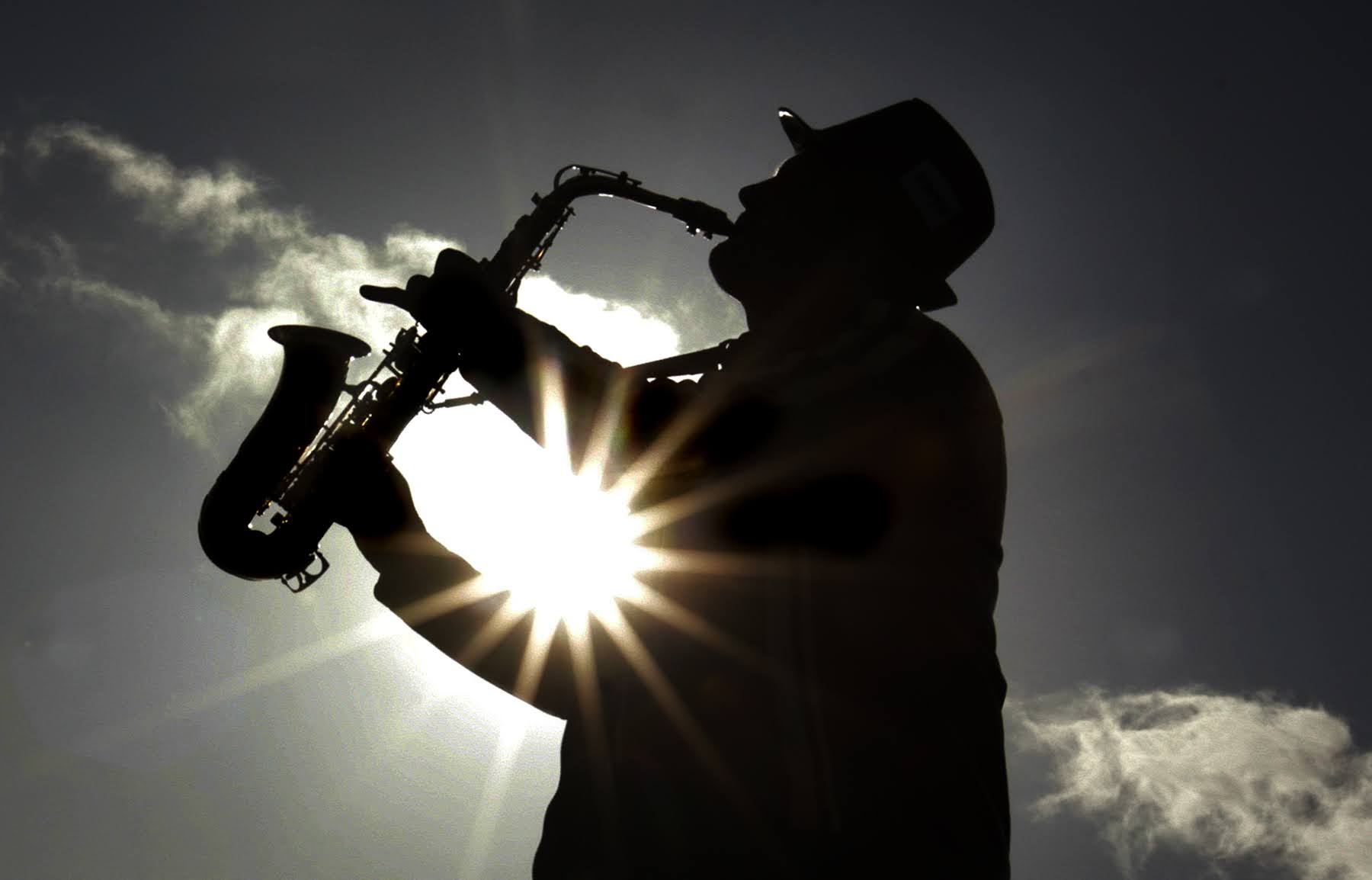
During this time, Adrian bought me a saxophone to help try and keep me out of crime. I had played saxophone and trombone as a kid. I started busking a lot around North Wales, doing really well in Llandudno playing ‘the old stuff, the swing, the blues, Louis Armstrong…the old folk loved it.’ On occasion, I was earning about £70 an hour, but it all went on heroin. On other occasions, I was earning very little. I remember one rainy, freezing mid-January day where I looked into my bucket after busking all day to see just a 10p piece… I looked again and realised that it was in fact a 2p piece.
Open Minds Rehab: Marcus Fair MBE Story, Part 4
My Path to Heroin Addiction: Marcus Fair MBE Story, Part 1
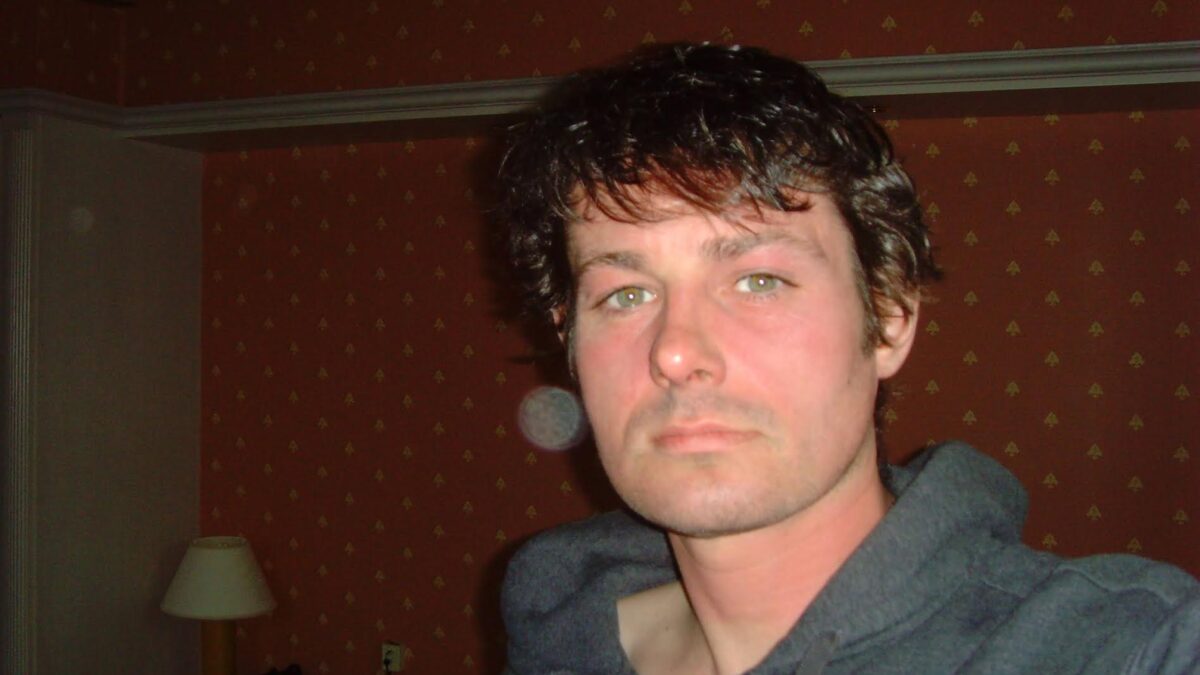
The photograph at the top of this post was taken in 2006 when Marcus was in his first rehab. He still had eight years of his addiction to work through.